
Zero Waste to Dumpsites
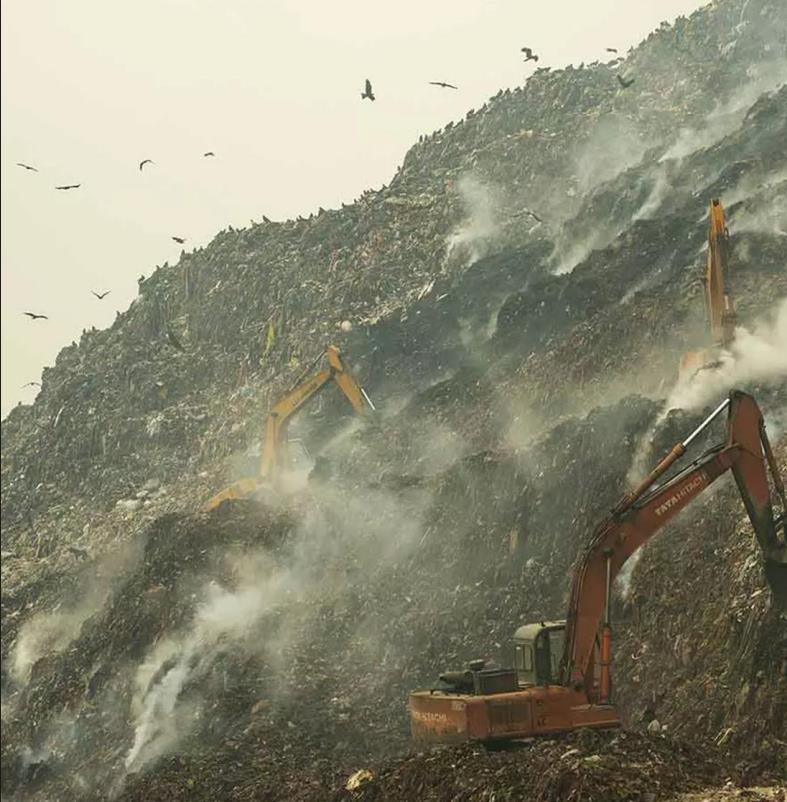
Zero Waste: What is the Problem?
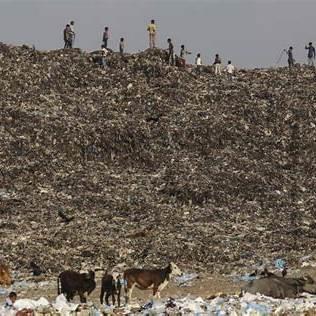 Mumbai/Deonar: 300 Acre, Major Air Pollution, Fires
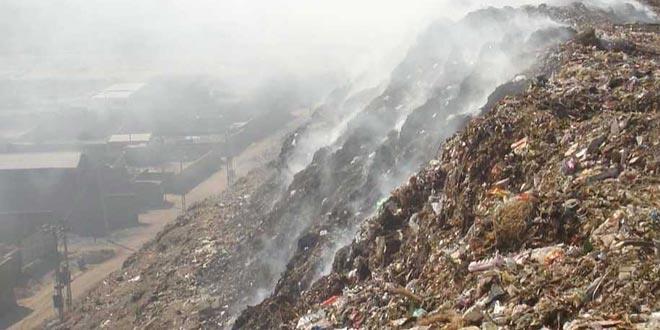 Ahmedabad/Pirana: 84 Acre, Air Pollution, Health impact
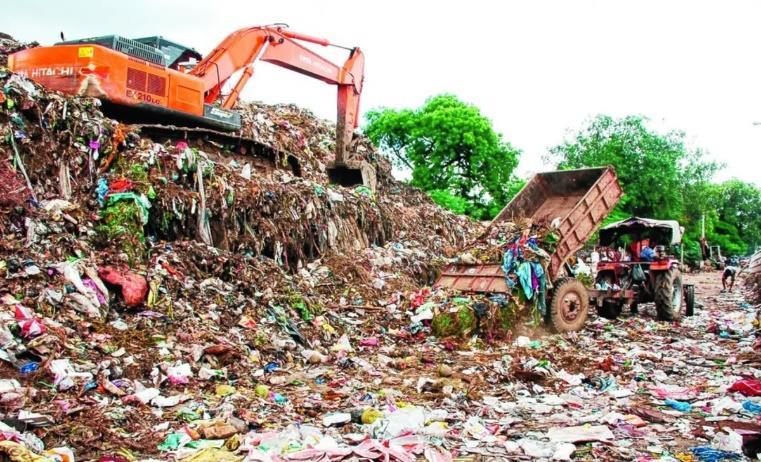 Pune/Uruli Devachi: 100 Acre, Leachate, Poor water quality
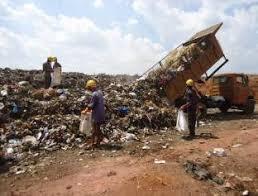 Belgaum/Turmuri: 85 Acre, Groundwater contamination
Zero Waste – Why it matters
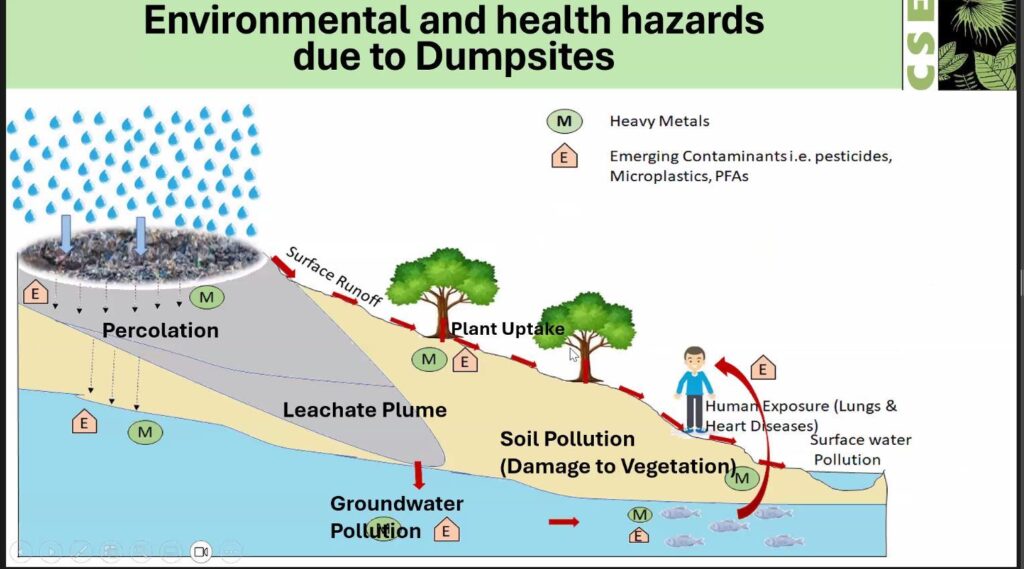
Composition of Waste at Dumpsites
Dry, Wet and Other Waste in a Landfill

30%-40%
Plastic, Paper,
Glass, Metal
50%-60%
Food, Organic,
Garden
10%-20%
Sanitary, Construction
debris
What is the Problem
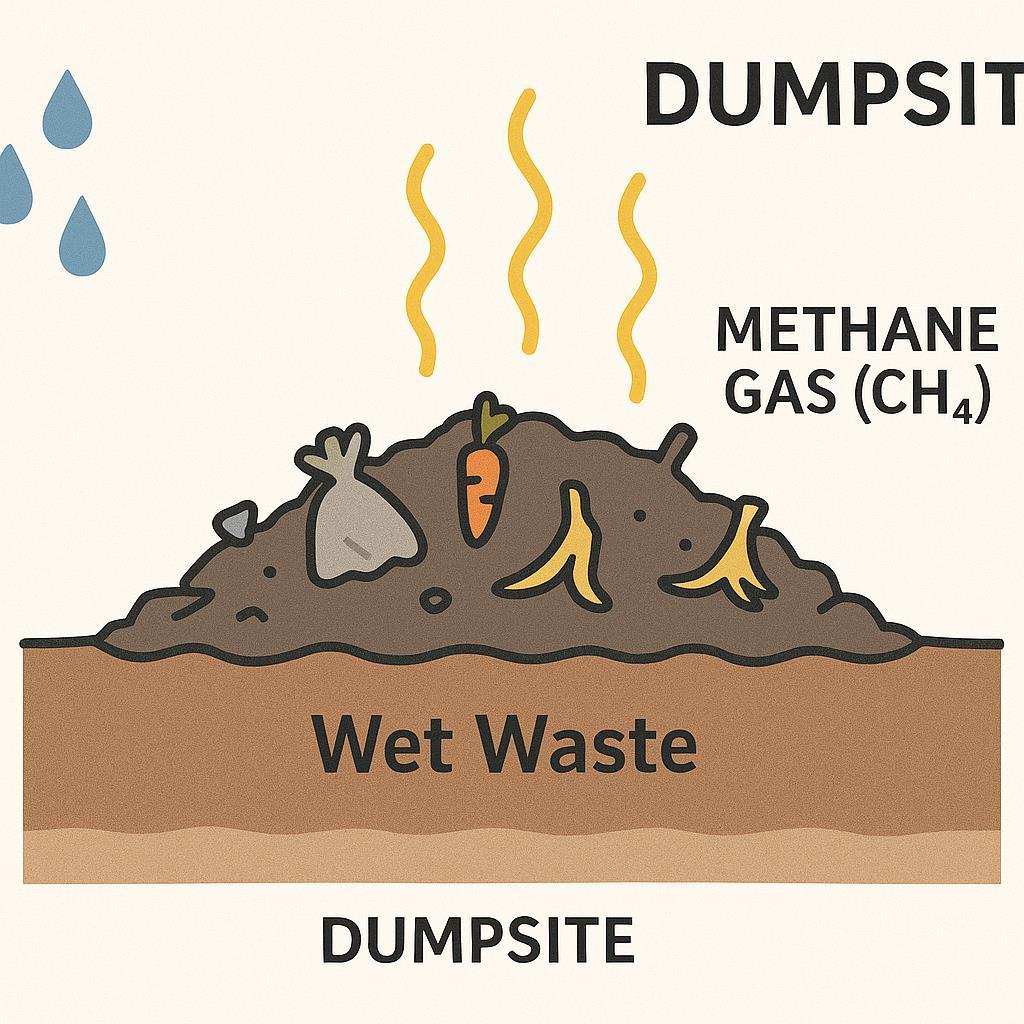
Wet Waste generates Methane esp in
dumpsites
1 ton of Methane has same warming
effect as 28-32 tons of Co2.
25% of Methane emissions in
Mumbai come from the dumpsites!
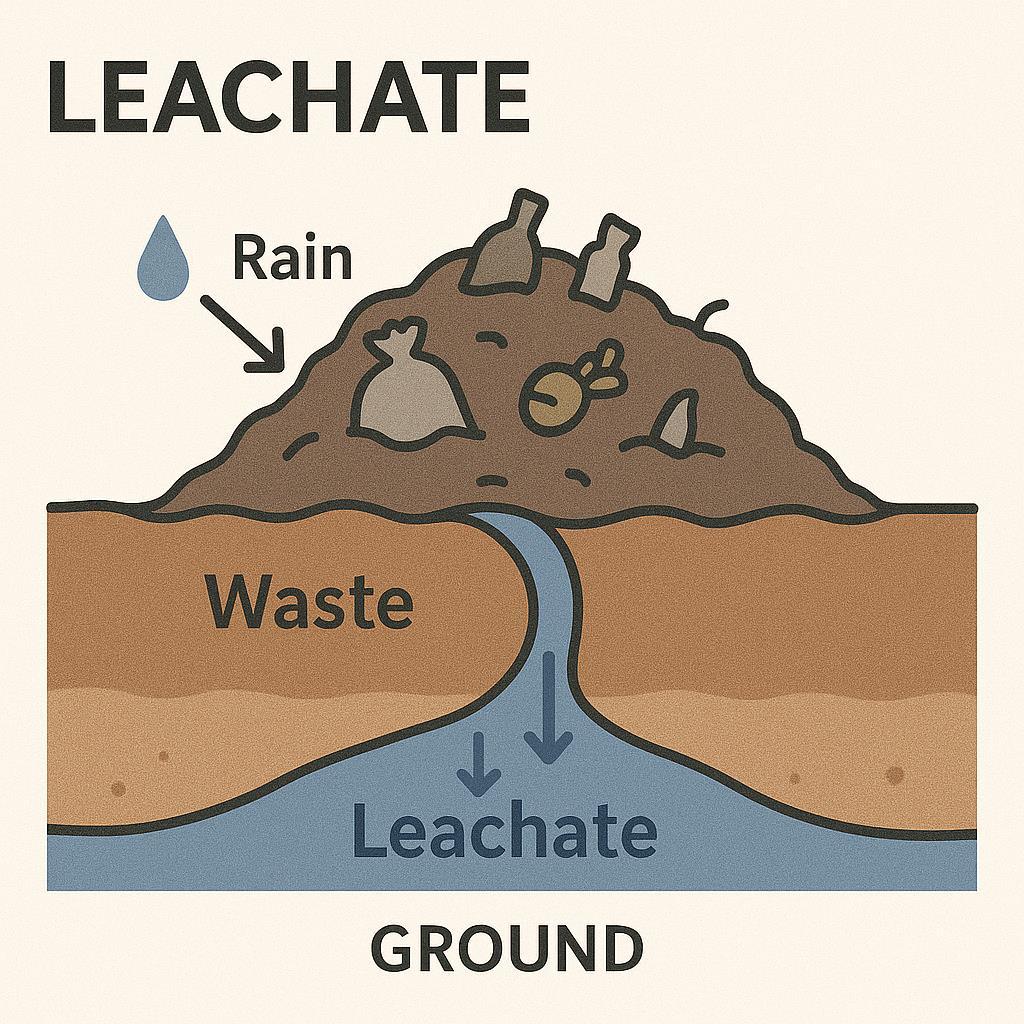
Leachate
Waste water containing pollutants, toxic matter that drains from a dumpsite along with rain water.
Over time, leachate contaminates ground
water.
Waste is a Resource in the Wrong Place!
Zero Waste should go from Schools, Institutions, Societies to Dumpsites. This will ensure reduction in Methane Emission, Leachate polluting ground water.
To achieve zero waste to dumpsites
All Wet Waste composting to be done within School premises or
Get Certificate from Government Authorized Vendor if composting outside School premises
If at all any waste goes to dumpsite then it should be Inert Waste e.g
construction debris
Zero Waste – Dashboard
Waste is a Resource in the Wrong Place!
|
Week
|
Total Waste
Generated (Kg) |
Composting
(Kg) |
Recyclables |
Reused |
Total |
Waste |
|---|---|---|---|---|---|---|
|
W-1 |
1000 |
200 |
300 |
50 |
550 |
55 |
|
W-2 |
950 |
190 |
280 |
60 |
530 |
56 |
|
W-3 |
980 |
210 |
310 |
55 |
575 |
59 |